How to Verify a Chinese Supplier Before Placing an Order
The company you meet, the manufacturer, the contracting party and the bank account holder are not always the same legal entity.
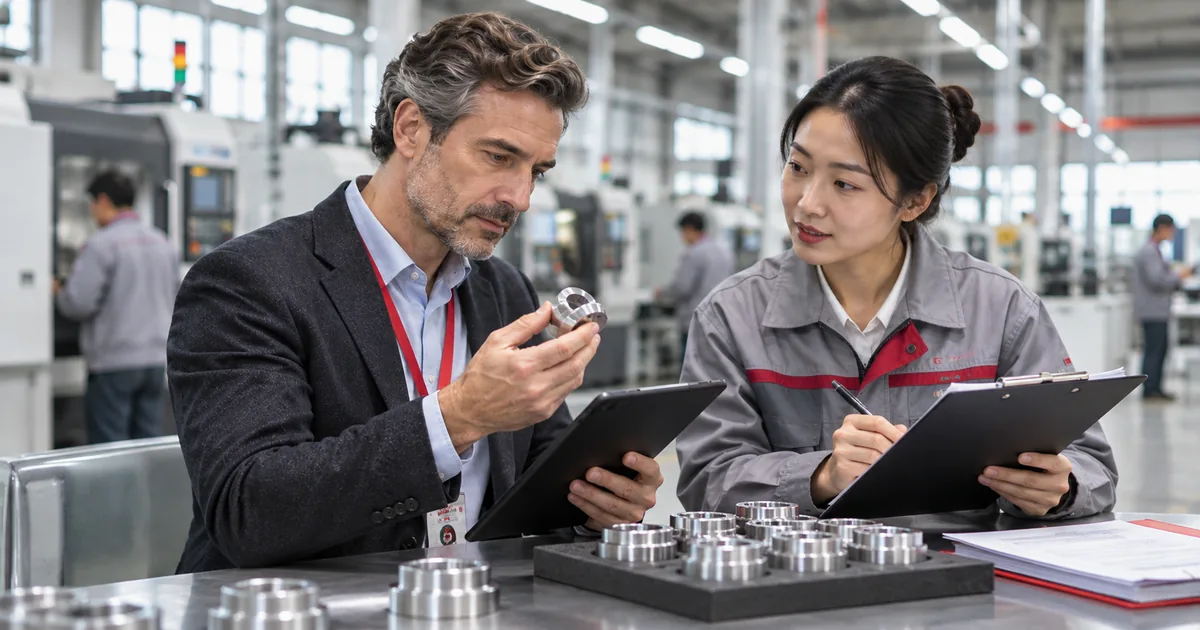
Trade fairs such as the Canton Fair make it easier to meet suppliers, examine samples and discuss prices. But a professional booth and a promising conversation are not the same as a verified business.
Before placing an order with a new Chinese supplier, start with one basic question: which legal entity are you actually dealing with? The answer is not always obvious.
Ask for the official Chinese company name
A supplier might use an English trading name on its website, catalogue and business card. That name can differ from its registered Chinese legal name.
Ask for the complete Chinese name and the Unified Social Credit Code (统一社会信用代码), generally an 18-character identifier. Use these details to search the National Enterprise Credit Information Publicity System.
Public records may show registration status, legal representative, business scope and certain regulatory or abnormal-operation records. Check for inconsistencies and follow them up. A valid registration confirms some facts about legal identity; it does not guarantee quality or reliability.
Work out who is responsible for the order
You might meet a representative who says they work for a manufacturer, then receive a contract from a different trading company. Or a factory may produce the goods while an export agent handles the sale.
These arrangements are not inherently suspicious. Trading companies can perform valuable sourcing, quality-control and logistics work. The important part is to understand each company's role.
Before signing, establish which entity is the seller under the contract, who will produce or source the goods, who must resolve delivery and quality problems, and who will receive payment. If several entities are involved, document their relationship and responsibilities in writing.
'We are all part of the same group' is not a substitute for identifying the contracting party.
Treat payment changes as a separate check
If the entity named on the bank account differs from the contractual seller, ask for an explanation and supporting documents. The difference could be legitimate, but it needs to be understood before money moves.
Make sure the contract, invoices and instructions are consistent with the agreed transaction structure. If bank details change unexpectedly, verify the new information through a previously established contact channel, not only the message requesting the change.
A deposit sent to the wrong account is an expensive way to discover that the paperwork was unclear.
Match your checks to the size of the risk
A business license cannot tell you whether a supplier has the equipment, capacity or processes to deliver your product. A trading company without its own factory can still be a good supplier; a registered manufacturer can still fall short.
For a small sample order, registration checks and product samples may be a reasonable starting point. For a large or customized order, consider an independent factory audit, product tests, quality inspection and clear contractual remedies. Verify product-specific certifications and import requirements separately.
The aim is not to collect the largest possible stack of documents. It is to understand what each document proves and what risks remain.
Keep the details together
When meeting a supplier, collect more than an English business card. Record the Chinese legal name, registration identifier, seller under the contract and agreed payment recipient in one supplier file.
That small habit makes later checks easier, especially when several companies are involved. Trust is easier to build when everybody knows who is responsible for what.
General business guidance only. Independent legal, compliance and supplier due diligence may be needed for your transaction.